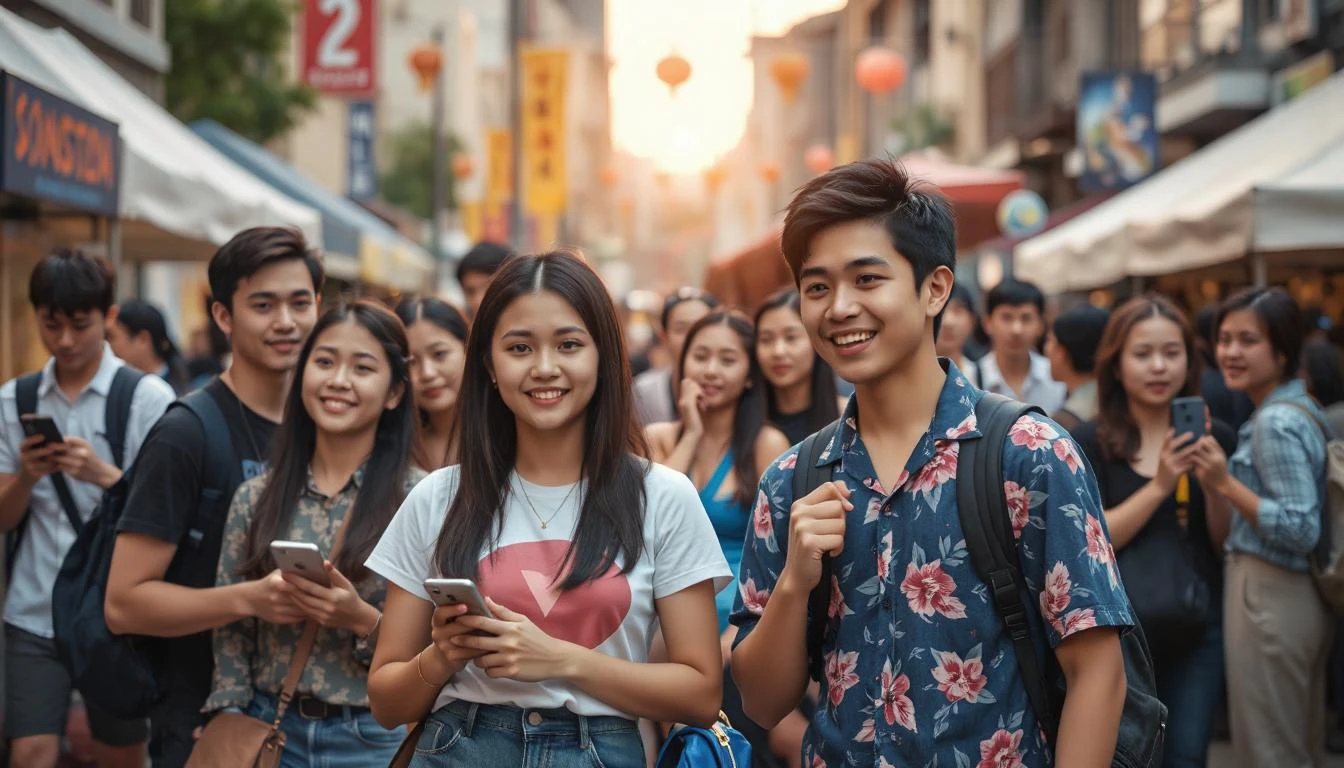
Food Culture Trends Taking Over Asia
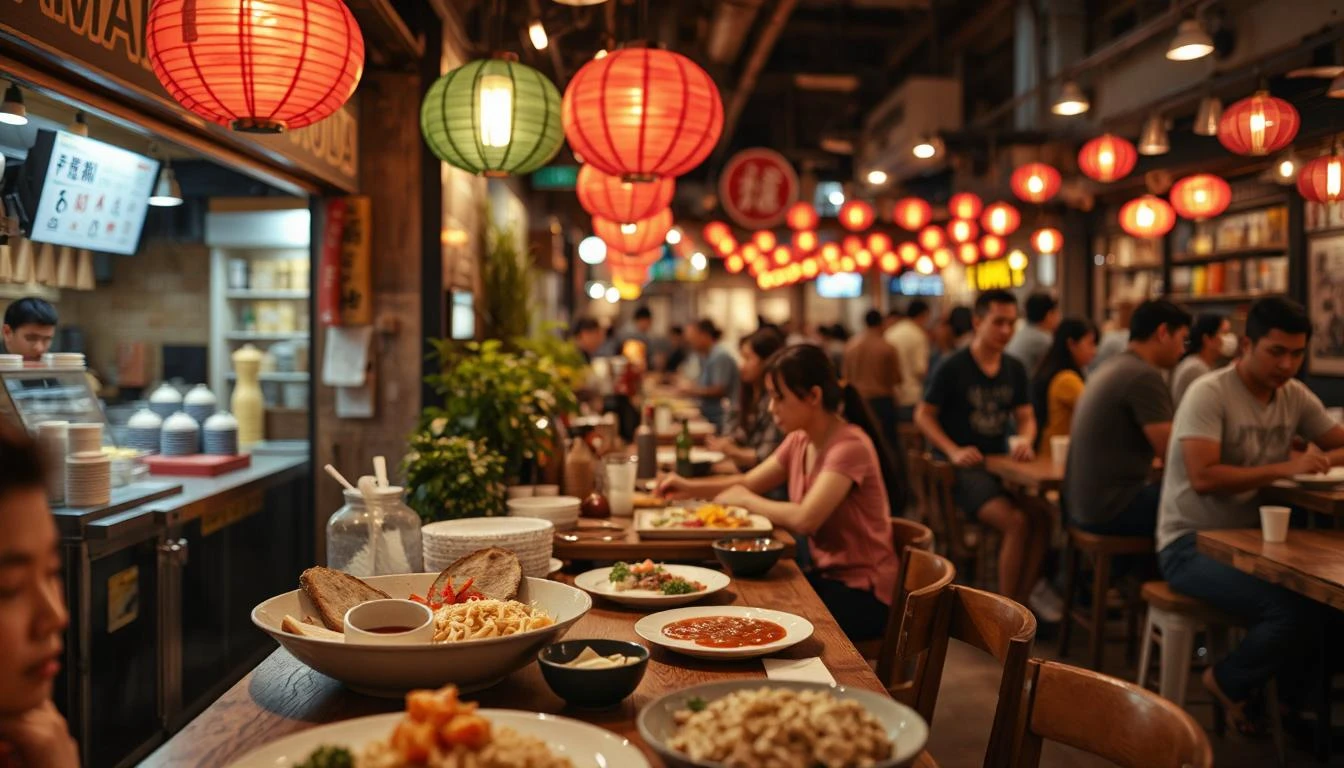
Across modern digital economies and rapidly shifting culinary ecosystems, global dining patterns are no longer defined by geography alone. They are shaped by technology, migration, and evolving consumer expectations that continuously reshape how people eat, share, and experience food. In today’s interconnected world, food is not just nourishment, it is identity, influence, and innovation wrapped into one evolving narrative.
The acceleration of Food culture trends is transforming how global marketplaces operate, especially in Asia where tradition and innovation collide in unexpected ways. These trends are not static; they move through social platforms, delivery ecosystems, and hybrid dining spaces that redefine everyday consumption. Every bite now reflects a deeper cultural exchange shaped by digital influence and modern consumer behavior.
The Evolution of Food Culture Across Asia
Food across Asia has always carried heritage, but today it is evolving into something more fluid and digitally influenced. The transformation is not just about taste, it is about how food travels across borders, platforms, and communities at unprecedented speed.
Modern diners are witnessing a shift where culinary identity is no longer fixed but constantly reinterpreted. This is where Food culture trends become a lens through which we understand global behavior, especially in regions experiencing rapid urbanization and digital adoption.
Asia embracing food culture trends is evident in how cities like Seoul, Bangkok, and Jakarta integrate traditional flavors with modern dining systems, creating a hybrid food economy that speaks to both nostalgia and innovation.
Fusion cuisine blending global flavors
Fusion cuisine represents the breaking of culinary boundaries, where global ingredients meet local traditions in unexpected harmony. Dishes like kimchi pasta or sushi-inspired burritos reflect how creativity is reshaping dining expectations. Consumers are no longer satisfied with authenticity alone, they want reinterpretation.
Revival of traditional recipes and ingredients
At the same time, there is a strong return to roots. Ancient fermentation techniques, indigenous herbs, and regional grains are being revived as people search for deeper cultural connection. As chef David Chang once said, “The past is not gone, it is waiting to be rediscovered on a plate.” This dual movement strengthens the depth of modern Food culture trends.
Social media influence on food discoveries
Food discovery is now algorithm-driven. Viral videos on TikTok or visually curated posts on Instagram can elevate a dish into global fame overnight. The visual appeal often becomes as important as taste, reshaping how restaurants design and present their offerings.
Popular Food Trends Shaping Consumer Choices
The modern consumer is highly informed, digitally active, and increasingly selective. Food decisions are influenced not only by hunger but by lifestyle, health awareness, and ethical considerations.
Before exploring deeper, it is important to understand that food delivery platforms and digital ecosystems are central to shaping how people interact with meals today. This shift highlights how Food culture trends are deeply embedded in everyday convenience and accessibility.
Health consciousness has become a dominant force in shaping modern eating behavior. People are actively seeking balance, not restriction, leading to more mindful consumption patterns.
Health conscious dining preferences
Consumers now prioritize nutrient density, balanced meals, and functional foods that support long-term wellness. This trend reflects a broader cultural shift toward preventive health rather than reactive care.
Plant based and sustainable food options
Plant-based innovation is no longer experimental. It is mainstream, driven by environmental awareness and ethical consumption. As food economist Dr. Lila Hartman states, “Sustainability is no longer a niche, it is the new baseline of global dining behavior.” This reinforces how Food culture trends align with environmental responsibility.
Convenience driven food innovations
Speed and accessibility dominate modern dining habits. Ready-to-eat meals, cloud kitchens, and instant delivery systems redefine how people approach daily food consumption. Convenience is no longer optional, it is expected.
Technology Transforming the Food Industry
Technology has become the invisible backbone of the global food ecosystem. It influences everything from production to personalization, making dining experiences more efficient and predictive.
Digital transformation is accelerating how consumers interact with food, especially through apps, AI systems, and predictive ordering platforms. This evolution continues to push Food culture trends into more intelligent and adaptive directions.
Online food delivery growth
Food delivery platforms have revolutionized accessibility, allowing users to explore global cuisines without geographical limitations. This expansion has turned dining into a borderless digital experience.
AI and smart dining experiences
Artificial intelligence now predicts consumer preferences, optimizes restaurant menus, and enhances personalization. Smart systems reduce waste and improve efficiency, creating a more sustainable food ecosystem.
Digital communities influencing food trends
Online communities shape what becomes popular. Reviews, influencer content, and user-generated feedback heavily influence purchasing decisions, turning consumers into active participants in shaping food culture.
Explore the Exciting Food Trends Transforming Asia Today
Across Asia, culinary transformation is no longer gradual, it is exponential. Traditional street food vendors now operate through digital platforms, while luxury dining experiences adopt QR-based menus and AI-driven service models. This convergence of tradition and innovation reflects how deeply Food culture trends are embedded in modern Asian societies.
As anthropologist Mei Lin Wong notes, “Food in Asia has become a living dialogue between history and technology.” This statement captures the essence of ongoing transformation where cultural preservation and digital innovation coexist seamlessly.
The momentum continues to grow as consumers demand more personalized, sustainable, and interactive food experiences. The region is not just participating in global food shifts, it is actively defining them.